切换语言

简体中文

英语

About

Company Profile

Corporate Culture

Honours and Accreditations

Products

Marine air conditioning

Marine refrigeration unit

Marine Ventilation Accessories

Marine air heaters, heaters

News

Corporate News

Industry News

Contact

Contact details

Online Message

Technology-Empowered Seafaring Comfort

Marine air conditioning systems, marine refrigeration systems, ventilation systems, and fan heaters

Technology-Empowered Seafaring Comfort

Marine air conditioning systems, marine refrigeration systems, ventilation systems, and fan heaters

About us

Taizhou Duruibao Marine
Equipments Co., Ltd.

A technology-driven enterprise specialising in the design, manufacture and servicing of marine air conditioning systems, marine refrigeration systems, marine constant-pressure heat exchange exhaust and make-up water units, marine chillers/boilers, and marine ventilation equipment. Possessing robust design, development and processing capabilities, the company undertakes bespoke design, manufacturing and custom fabrication tasks for the aforementioned equipment types......
2015
Date of establishment
12528
Company site area
100
+
The company's current workforce
157
+
Production and processing equipment

Products

Marine air conditioning
Marine refrigeration unit
Marine Ventilation Accessories
Marine air heaters, heaters
Marine Indirect Air Conditione
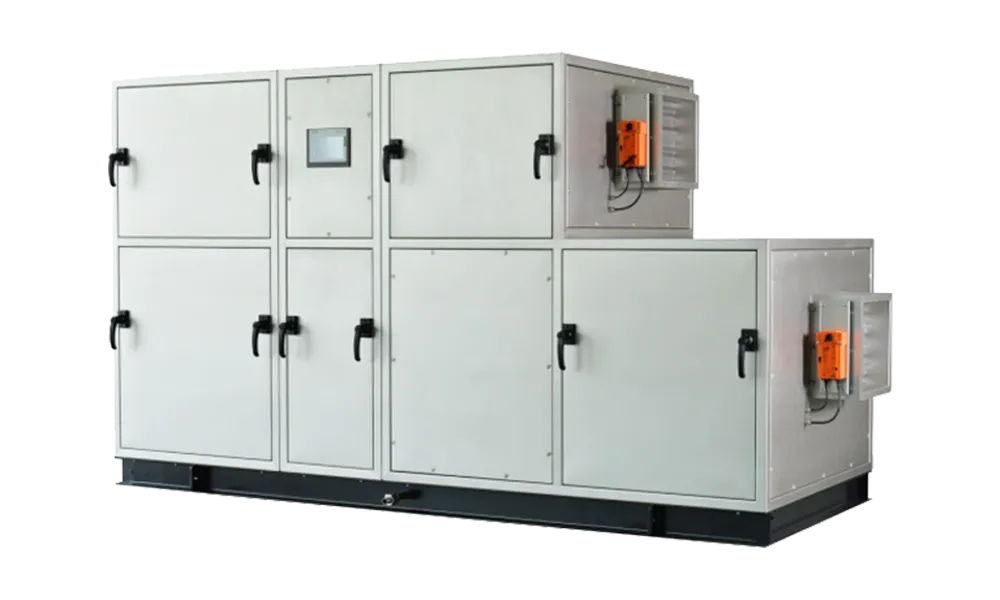
The CJK marine indirect air conditioner serves as a vital component for centralised air processing within shipboard air conditioning systems. This unit comprises a mixing section, filtration section, air treatment section (including cooling, heating, and humidification functions), fan section, and distribution section, all mounted upon a common base. Employing PLC or microcomputer control, the air conditioner offers straightforward operation alongside stable and reliable performance.
Marine Indirect Air Conditione
Marine modular air conditioning uni
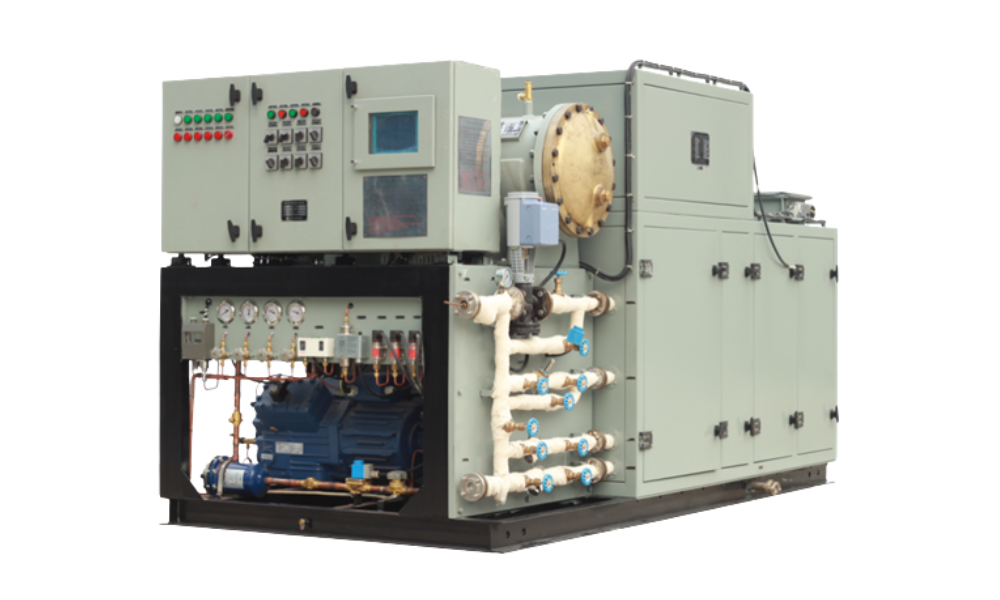
The CZK marine modular air conditioning unit serves as the core component of duct-supply marine central air conditioning systems. Primarily comprising a compressor-condenser unit, air handling enclosure, automated control valves, and electrical control assembly, it is mounted on a common baseplate. The unit provides refrigeration, heating, humidification, dehumidification, filtration, and fresh air exchange functions.
Marine modular air conditioning uni
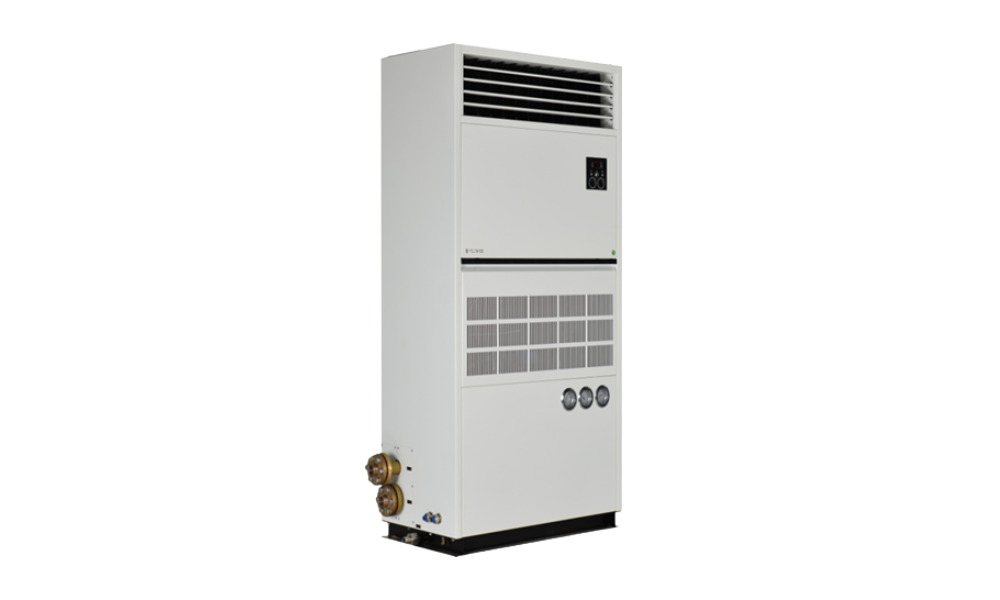
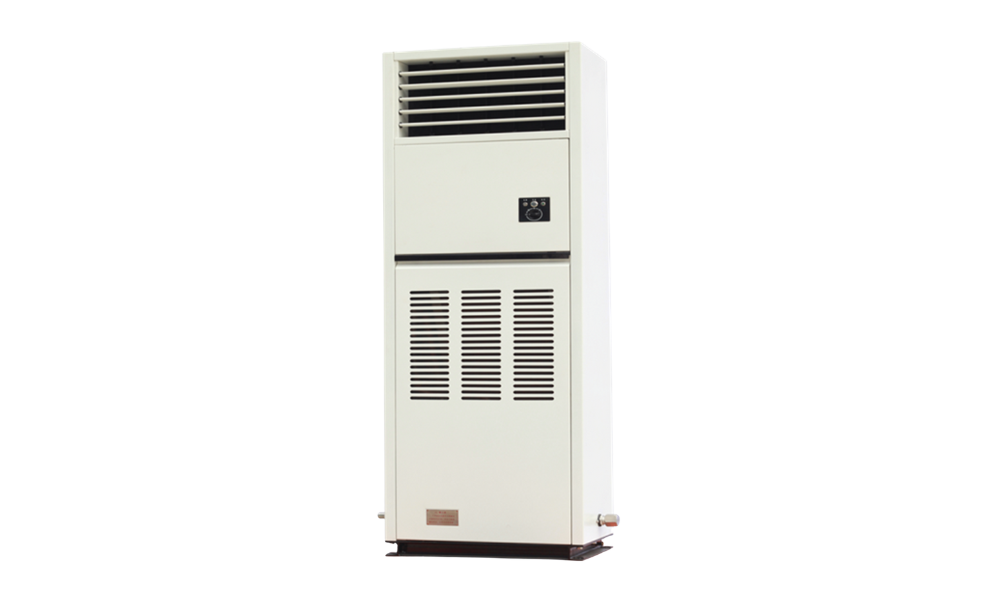
Marine Unit Air Conditioner
Marine unit air conditioners are compact, integrated air handling units combining refrigeration, heating, dehumidification (or humidification), filtration and ventilation functions. Their compact design, ease of operation and reliable performance make them widely employed across various vessel types and offshore platforms as self-contained air treatment equipment for enhancing working and living environments.
Marine Unit Air Conditioner
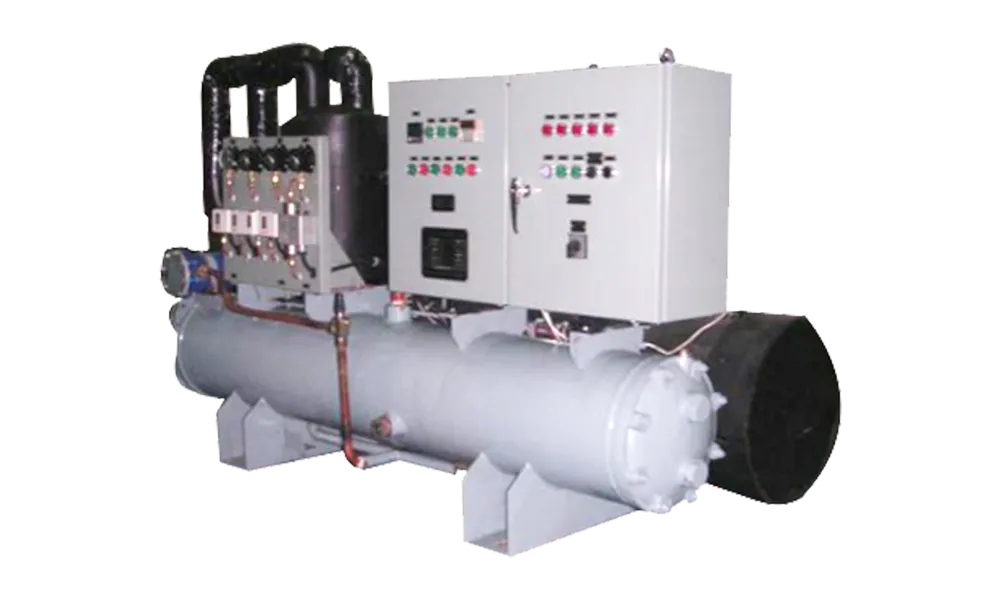
Marine chillers (and heat pumps
Marine chillers serve as the cooling or heating source for central air conditioning systems aboard vessels, supplying circulating chilled or heated water to the system. These units are primarily assembled from compressors, condensers, dry evaporators, electrical control panels, valves, and instrumentation. They are integrated with fan coil units or indirect air conditioners to form complete air conditioning systems.
Marine chillers (and heat pumps
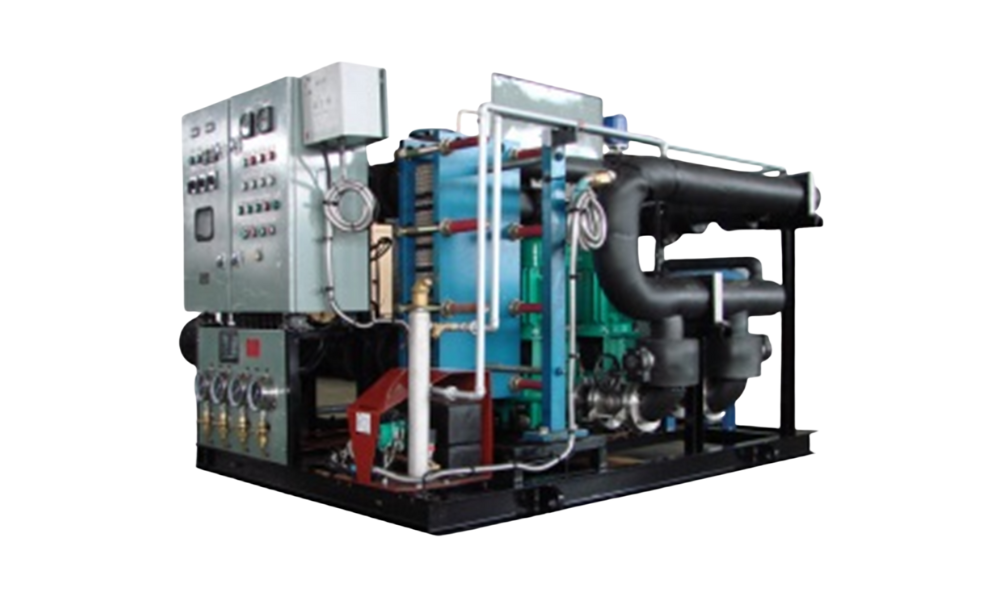
Marine Constant Pressure Devic
The marine constant pressure unit is an integrated, pre-assembled marine system that combines multiple functions within a ship's central air conditioning circulating refrigerant (or heating) water system. These include heat exchange, chilled (or heated) water circulation, pressure regulation, air venting, make-up water supply, filtration, water treatment, and electrical control. The unit comprises heating heat exchange apparatus (plate heat exchanger), steam flow regulating valve assembly, steam trap assembly, constant pressure expansion diaphragm tank, automatic air venting device, differential pressure controller, make-up water isolation device, deionised water treatment unit, and electric/manual valves with control unit.
Marine Constant Pressure Devic
Marine fan coil uni
Marine fan coil units are compact air conditioning devices integrating cooling, heating, dehumidification, filtration and ventilation functions. Characterised by their compact structure, user-friendly operation and reliable performance, they are extensively employed across various vessel types and offshore oil platforms. Serving as air handling equipment to meet environmental parameter requirements in accommodation and service spaces, they operate in conjunction with chilled (or heated) water units.
Marine fan coil uni
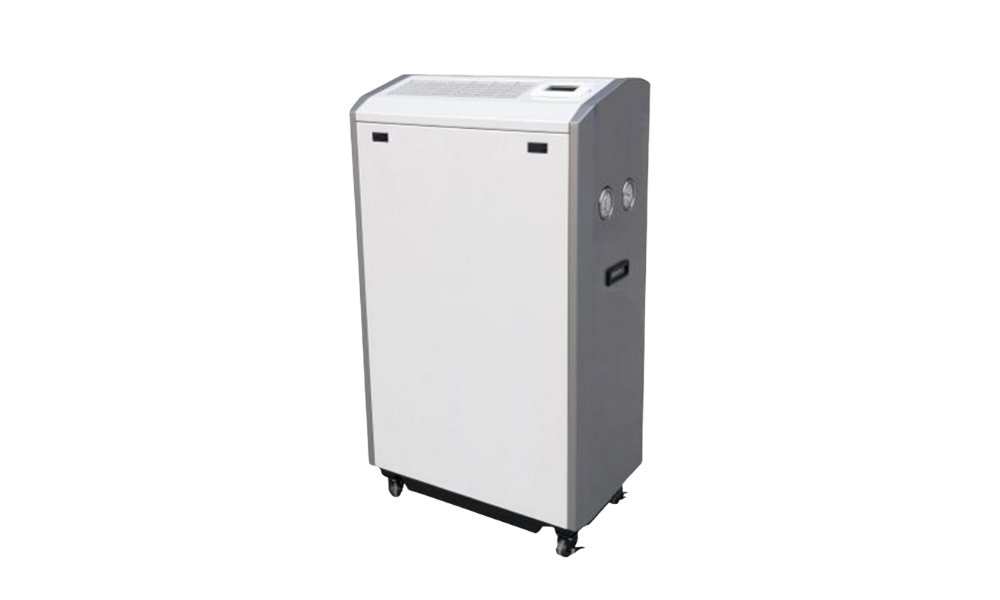
Marine Portable Air Conditioner
Marine mobile air conditioner: an integrated, freestanding unit combining refrigeration, dehumidification, heating and ventilation. Featuring self-braking castors and a mobile design for flexible, convenient operation. Its drain-free construction eliminates the hassle of frequent water emptying. Widely applicable for use in non-explosion-proof zones aboard vessels and offshore oil platforms.
Marine Portable Air Conditioner
IDFC Air Conditioning Unit
The IDFC air conditioning unit serves as the terminal air handling equipment within the IDAC intelligent distributed air conditioning system. It primarily comprises an EC fan, heat exchanger, electric heater, motorised control valve, and intelligent control assembly.
IDFC Air Conditioning Unit
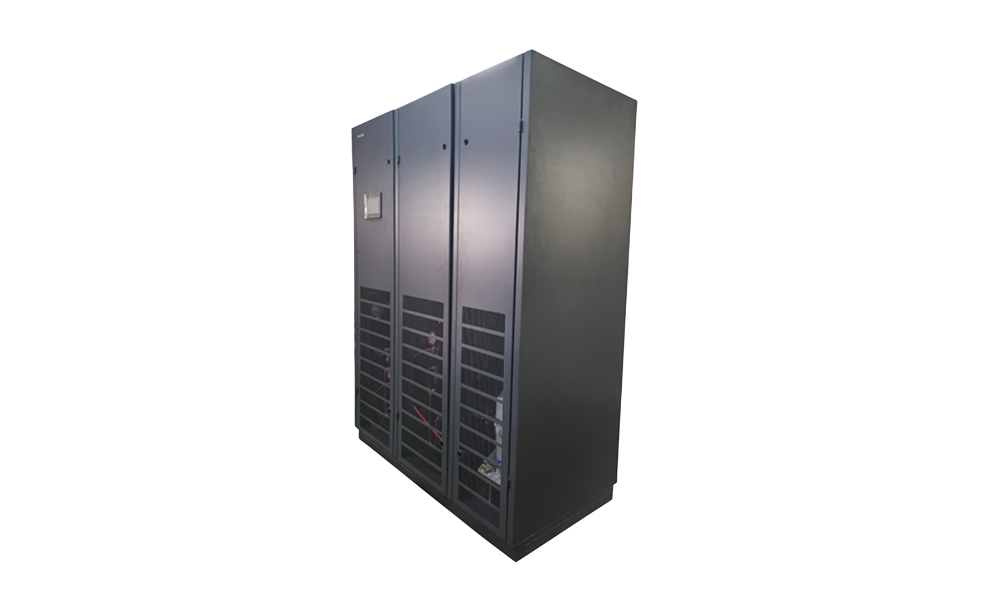
Precision air conditioning
The HPAC series precision air conditioners provide dedicated unit air conditioning systems for air circulation, filtration, cooling, reheating, and humidity control in various types of equipment rooms. The entire unit is precisely controlled by a centralised PLC control system, achieving outstanding performance in high efficiency, low energy consumption, and accurate temperature and humidity control. It is widely used in major sectors such as healthcare, marine, finance, and telecommunications.
Precision air conditioning
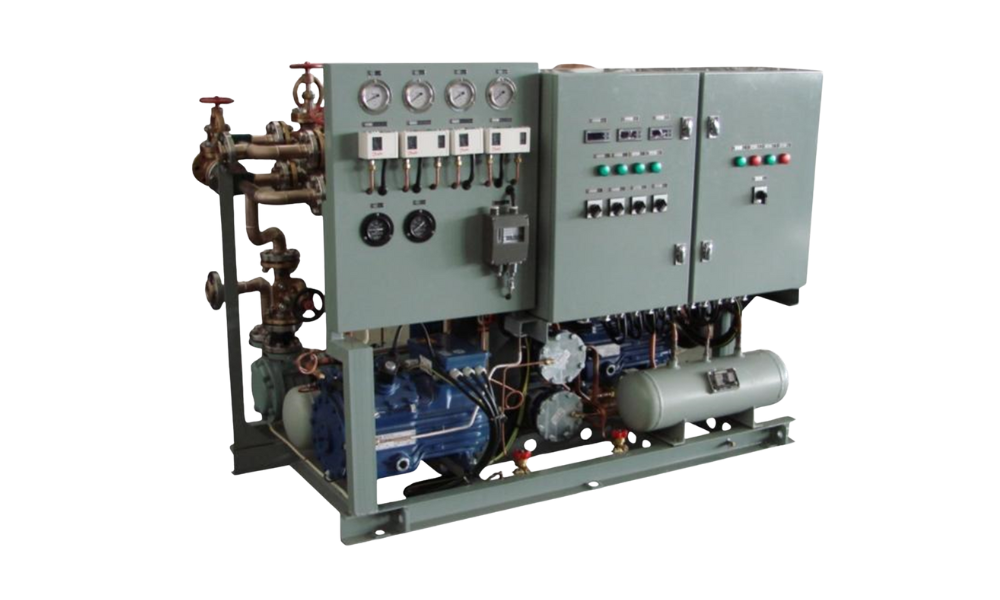
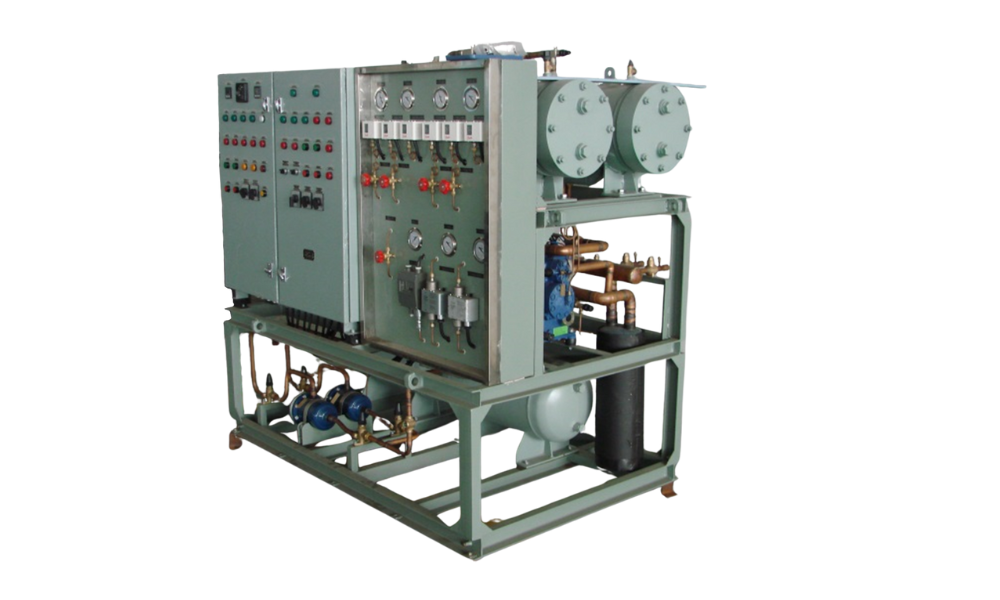
Marine Modular Refrigeration Unit (Conventional Refrigeration
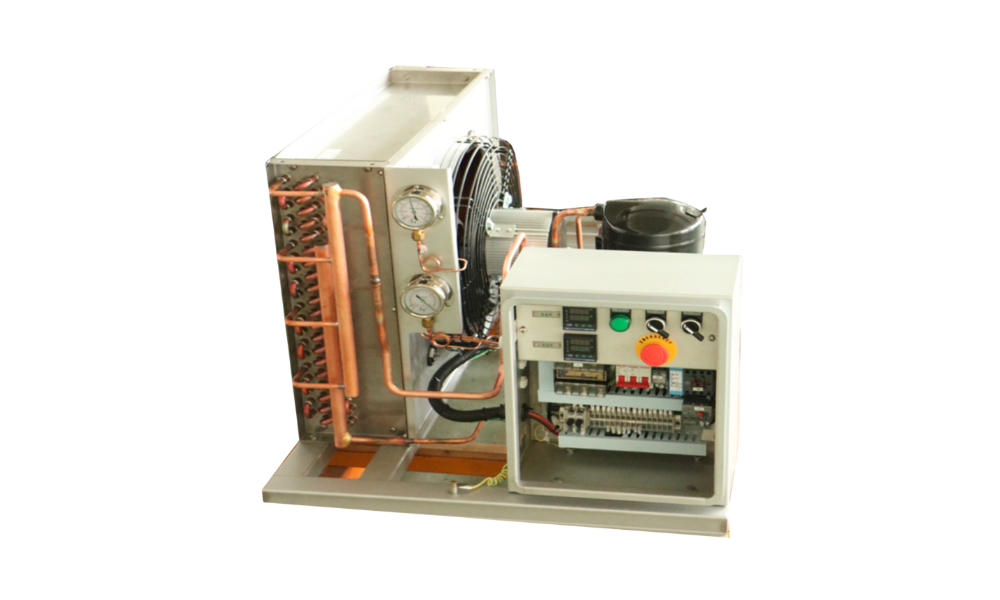
The CZLZ marine modular refrigeration unit serves as the core equipment for shipboard catering refrigeration systems and refrigeration systems aboard refrigerated vessels and supply ships. This unit integrates the compressor condensing unit, refrigeration system valves, instrumentation, and electrical control panels into a single assembly mounted on a common base. It provides automatic temperature control for storage compartments according to food preservation requirements, offering straightforward operation and convenient maintenance. It is widely applicable to various vessels and offshore oil platforms.
Marine Modular Refrigeration Unit (Conventional Refrigeration
Marine Modular Refrigeration Unit (Inverter-Controlled Refrigeration)
The CZLZ marine modular refrigeration unit serves as the core equipment for shipboard catering refrigeration systems and refrigeration systems aboard refrigerated vessels and supply ships. This unit integrates the compressor condensing unit, refrigeration system valves, instrumentation, and electrical control panels into a single assembly mounted on a common base. It provides automatic temperature control for storage compartments according to food preservation requirements, offering straightforward operation and convenient maintenance. It is widely applicable to various vessels and offshore oil platforms.
Marine Modular Refrigeration Unit (Inverter-Controlled Refrigeration)
Marine-grade modular refrigeration units (container refrigeration
The CZLZ marine modular refrigeration unit serves as the core equipment for shipboard catering refrigeration systems and refrigeration systems on refrigerated vessels and supply ships. This unit integrates the compressor condensing unit, refrigeration system valves, instrumentation, and electrical control panels into a single assembly mounted on a common base. It provides automatic temperature control for storage compartments according to food preservation requirements, offering straightforward operation and convenient maintenance. It is widely applicable to various vessels and offshore oil platforms.
Marine-grade modular refrigeration units (container refrigeration
Marine fire damper
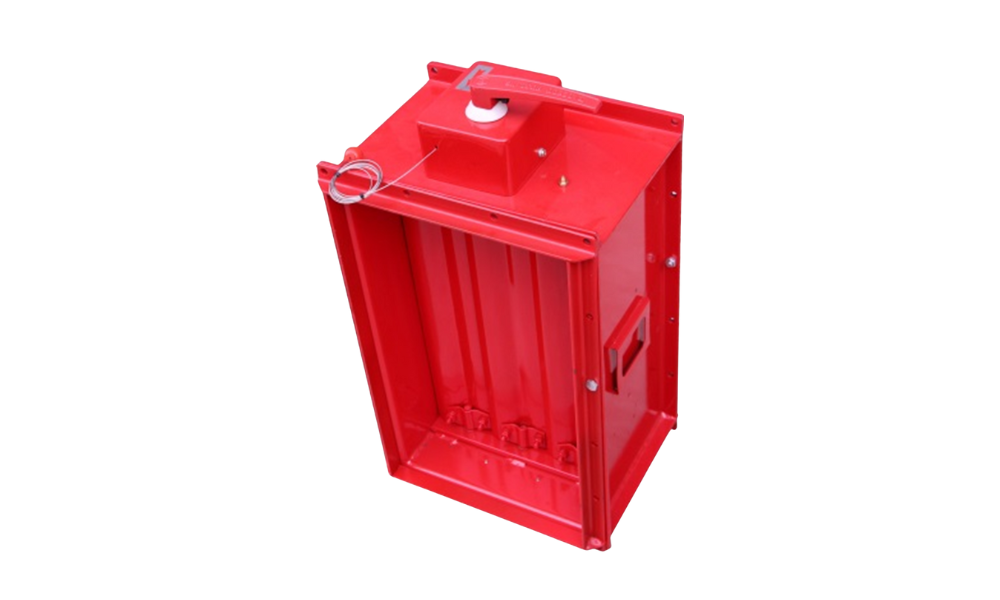
The CFH marine fire damper complies with the relevant requirements for ship structural fire protection stipulated in the International Convention for the Safety of Life at Sea (SOLAS) and subsequent amendments. It has passed fire resistance tests conducted by the Shanghai Far East Fire Testing Centre in accordance with the requirements of Appendix A II of Resolution A.754(18) of the International Maritime Organisation (IMO) concerning fire-resistant air dampers. These tests were performed in accordance with the fire resistance test procedures for compartmentalised fire resistance as outlined in Appendix A II of Resolution A.754(18). The damper has been certified by the China Classification Society (CCS) and the European Union (EU) (18) "Recommendations for Fire Test Procedures for Class 'A', 'B' and 'E' Divisions" Appendix A II. They have obtained type approval certificates from classification societies including China (CCS), European Union (EC), United Kingdom (LR), United States (ABS), France (BV), and Japan (NK).
Marine fire damper
Watertight airlock for ships
Watertight air dampers for ships are primarily employed in the ventilation systems of various vessels and offshore oil platforms, typically installed on ventilation ducts within watertight bulkheads below the waterline. Should a bulkhead breach occur, sealing air dampers must be closed to prevent water ingress propagating through ventilation ducts to adjacent compartments. This watertight barrier is indispensable for ensuring the safety of vessels and offshore oil platforms
Watertight airlock for ships
Shipboard diaphragm damper
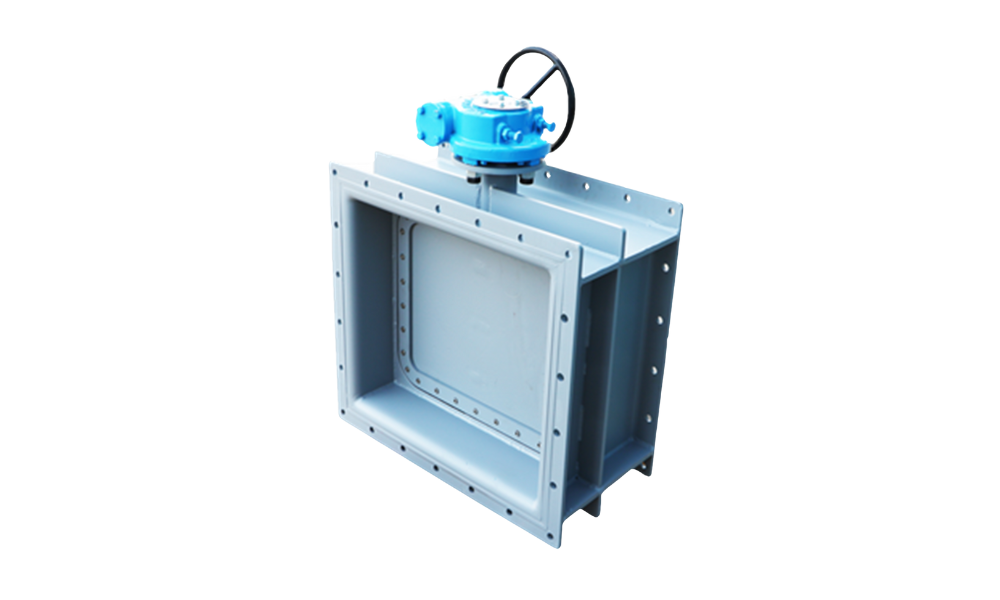
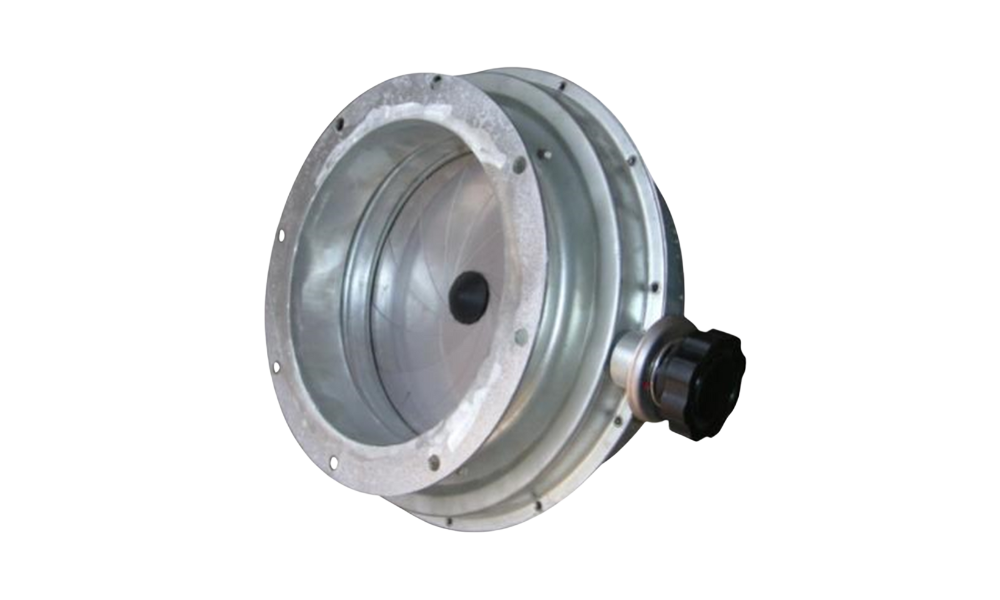
Marine diaphragm-type air dampers are suitable for use on various vessels, oil platforms, and ductwork within onshore ventilation and air conditioning systems, enabling stepless adjustment of airflow. Both ends can be connected to ductwork via flanges or directly fitted to spiral ducting. Compact in size and lightweight, they offer straightforward installation, flexible operation, and reliable performance.
Shipboard diaphragm damper
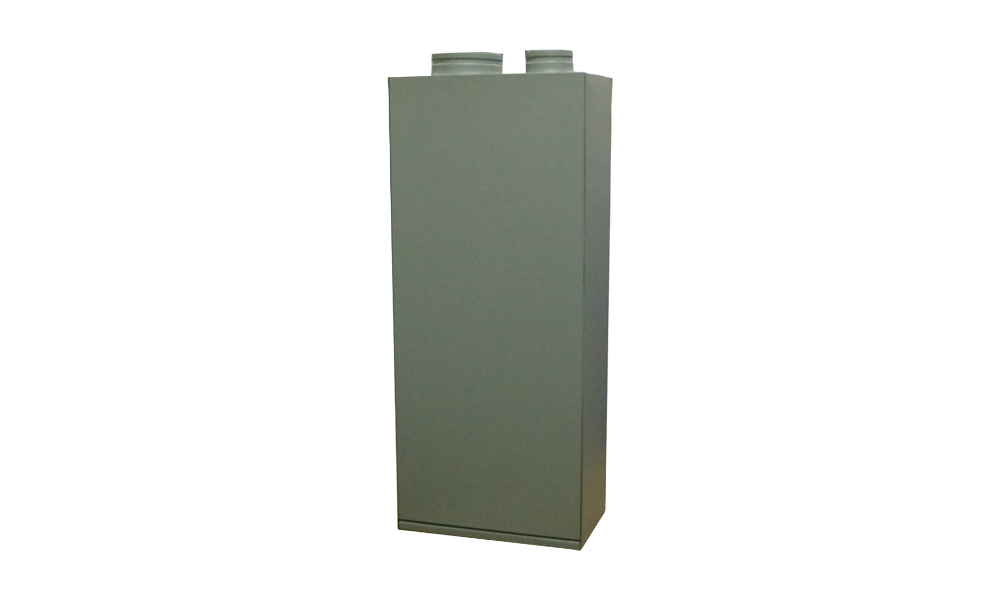
Low-noise extraction unit
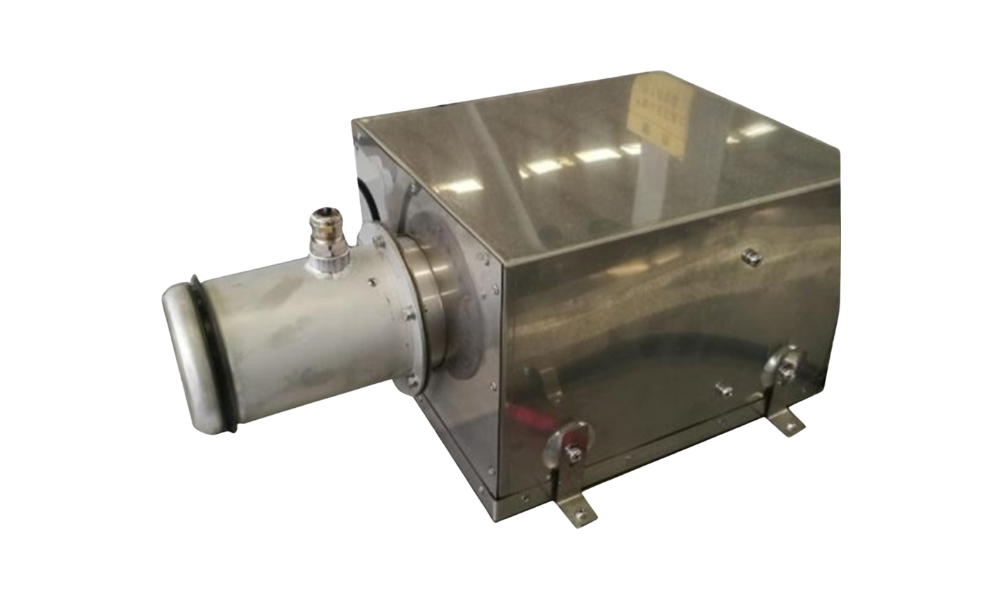
Low-noise ventilation units are suitable for various accommodation and bathroom ventilation systems. Odorous gases within cabins or bathrooms are drawn in by the ventilation unit, undergo noise reduction treatment, and are then pressurised before being delivered to the exhaust system for discharge overboard. These units provide fresh air exchange, pressure equalisation, and noise reduction functions.
Low-noise extraction unit
Induced ventilation system
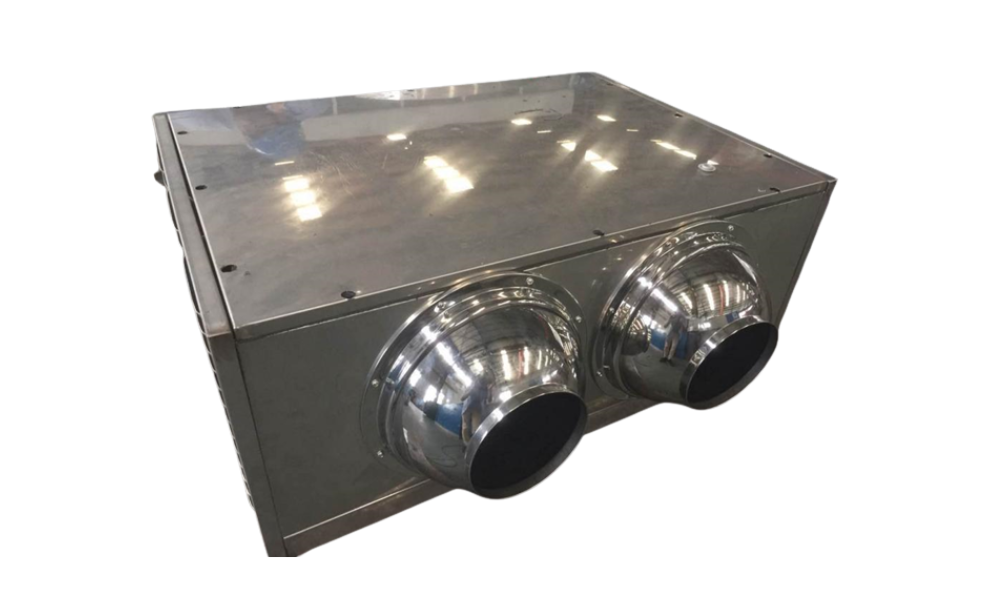
Induced ventilation systems are suitable for use in various high-ceilinged spaces such as hangars and vehicle depots. By drawing air from the chamber through a high-pressure fan, which then pressurises it, the air is delivered into the chamber in a jet-like form. This induces the stagnant air surrounding the chamber, thereby enhancing airflow organisation within the space, eliminating ventilation dead zones, and improving overall ventilation efficiency.
Induced ventilation system
Marine heater
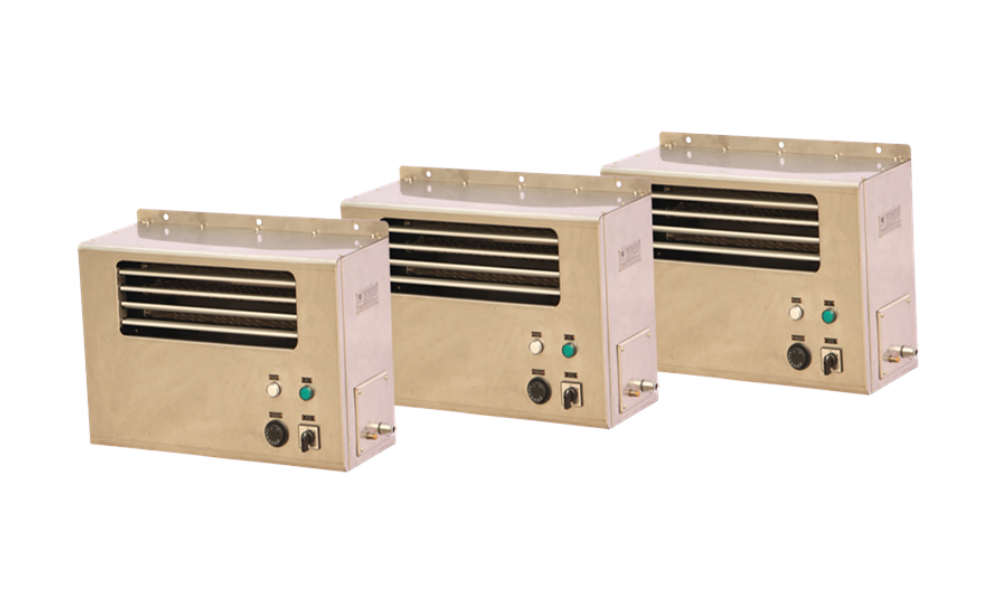
Marine heaters are suitable for winter heating in accommodation spaces, work compartments, engine rooms, and equipment rooms aboard all types of vessels and oil platforms. They operate unattended with automatic temperature control, and the electric heating models feature automatic over-temperature protection.
Marine heater
Marine electric heater
Marine electric heaters are suitable for winter heating in accommodation spaces, work compartments, engine rooms, and equipment compartments aboard all types of vessels and oil platforms. They feature automatic temperature control and over-temperature protection. Compact in size, they are easy to install.
Marine electric heater
2025
12 12
Key Points for the Use of Marine Fans
Marine fans are a new type of ventilation equipment manufactured from corrosion-resistant fibreglass reinforced plastic (FRP), classified as axial flow fans. Utilising a corrosion-resistant FRP outer casing, their operating principle employs negative pressure ventilation to achieve air circulation, ventilation, and cooling. 1. Starting the fan at full voltage or reduced voltage Marine fans can be started at either full voltage or reduced voltage. However, certain precautions apply. Specifically: - When starting at full voltage, the starting current should be 5-7 times the rated current. - When starting at reduced voltage, the starting torque is proportional to the square of the voltage. 2. Requirements for trial operation runs Are there requirements for the number of trial operation runs?
Key Points for the Use of Marine Fans
2025
12 12
Marine Air Conditioning Condensate Drain Pan
The marine air conditioning condensate collection tray comprises a main collection tray body, a collection tray surround, and a filter mesh fixing module. The condensate collection tray features a structurally sound design with high practicality. During operation, the perimeter of the tray body incorporates a channel structure, with the bottom edges lower than the centre to ensure condensate first flows into the channels. The filter screen serves a dual purpose: it filters debris to prevent blockage of the outlet; Additionally, it mitigates the kinetic energy of condensate overflow during vessel motion. Both the longitudinal and transverse trapezoidal grooves feature a narrower base and wider top, thereby reducing water accumulation while facilitating easy cleaning of debris within the tray.
Marine Air Conditioning Condensate Drain Pan
2025
12 12
Principles of Marine Air Conditioning Systems
Marine air conditioning units must not only withstand harsh maritime conditions such as salt spray, mould and humidity, but also serve as vital equipment ensuring the normal operation of personnel and machinery. Their performance directly impacts crew working conditions, making reliability and maintainability paramount. The refrigeration unit employs a welded structure for structural integrity, with insulation comprising glass wool and galvanised perforated sound-absorbing panels. Key refrigeration components are designed for stability and reliability. The unit's return air valve utilises a turbine-type regulating valve with graduated display for convenient and flexible adjustment. Structural Design: The compressor and condenser are stacked vertically, arranged in a front-to-back configuration, with the compressor positioned at the rear.
Principles of Marine Air Conditioning Systems
2025
12 12
How to resolve fan stall issues during the operation of marine fans?
When operating a fan, attention must be paid to its pressure conditions, particularly the relationship between the pressure coefficient and the angle of incidence λ during steady-state operation. When the angle of incidence exceeds a certain value, altering the angle of incidence causes the pressure coefficient to decrease gradually within a specific region. Should vibrations occur at the blade location within the flow field, the aerodynamic forces exhibit cyclical variations. When the pressure coefficient gradient is positive, this corresponds to the aerodynamic forces exerting a counteracting force on the blades, maintaining system stability. Conversely, when the pressure coefficient gradient is negative, the aerodynamic forces perform positive work on the blades, leading to fan stall. What solutions exist for addressing this issue? Marine fans
How to resolve fan stall issues during the operation of marine fans?
2025
12 12
Operating Principle of the Air Conditioning Circulation System for Ocean-going Fishing Vessel
The marine air conditioning circulation system for ocean-going fishing vessels comprises a main control unit. The main control unit is electrically connected to a hull air conditioning control unit. The hull air conditioning control unit is electrically connected to a monitoring module. The monitoring module is electrically connected to a water pump sensor. The monitoring module is electrically connected to a warning unit. The monitoring module is electrically connected to a fault diagnosis unit. The fault diagnosis unit is electrically connected to a receiving module. The main control unit is electrically connected to a humidity regulation unit and a temperature control unit. The temperature control unit is electrically connected to a settings module. The monitoring module is electrically connected to a compressor sensor, a condenser sensor, a heat exchanger sensor, an evaporator sensor, a fan sensor, and an air conditioning power monitoring unit.
Operating Principle of the Air Conditioning Circulation System for Ocean-going Fishing Vessel

Service Hotline

0523-86556393

Copyright © 2025 Taizhou Duruibao Marine Equipments Co., Ltd.

苏ICP备2025215050号-1