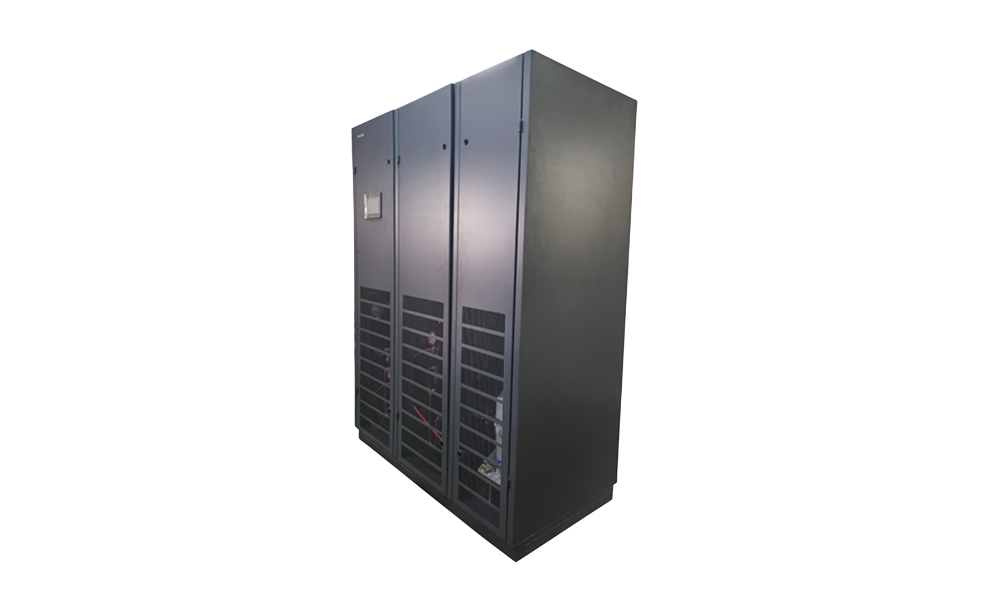
The HPAC series precision air conditioners provide dedicated unit air conditioning systems for air circulation, filtration, cooling, reheating, and humidity control in various types of equipment rooms. The entire unit is precisely controlled by a centralised PLC control system, achieving outstanding performance in high efficiency, low energy consumption, and accurate temperature and humidity control. It is widely used in major sectors such as healthcare, marine, finance, and telecommunications.
Marine Modular Refrigeration Unit (Conventional Refrigeration
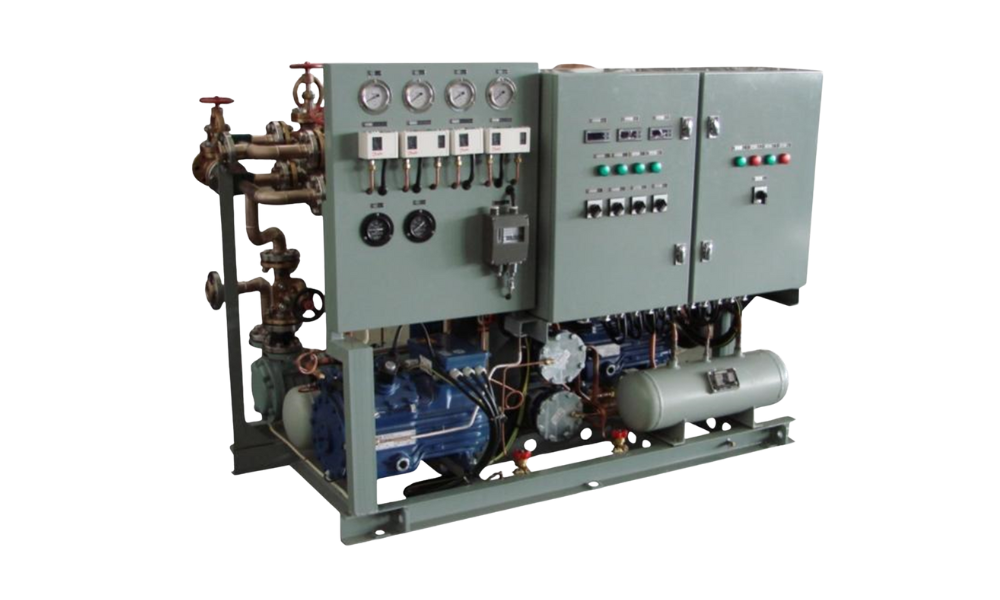
The CZLZ marine modular refrigeration unit serves as the core equipment for shipboard catering refrigeration systems and refrigeration systems aboard refrigerated vessels and supply ships. This unit integrates the compressor condensing unit, refrigeration system valves, instrumentation, and electrical control panels into a single assembly mounted on a common base. It provides automatic temperature control for storage compartments according to food preservation requirements, offering straightforward operation and convenient maintenance. It is widely applicable to various vessels and offshore oil platforms.
Marine Modular Refrigeration Unit (Inverter-Controlled Refrigeration)
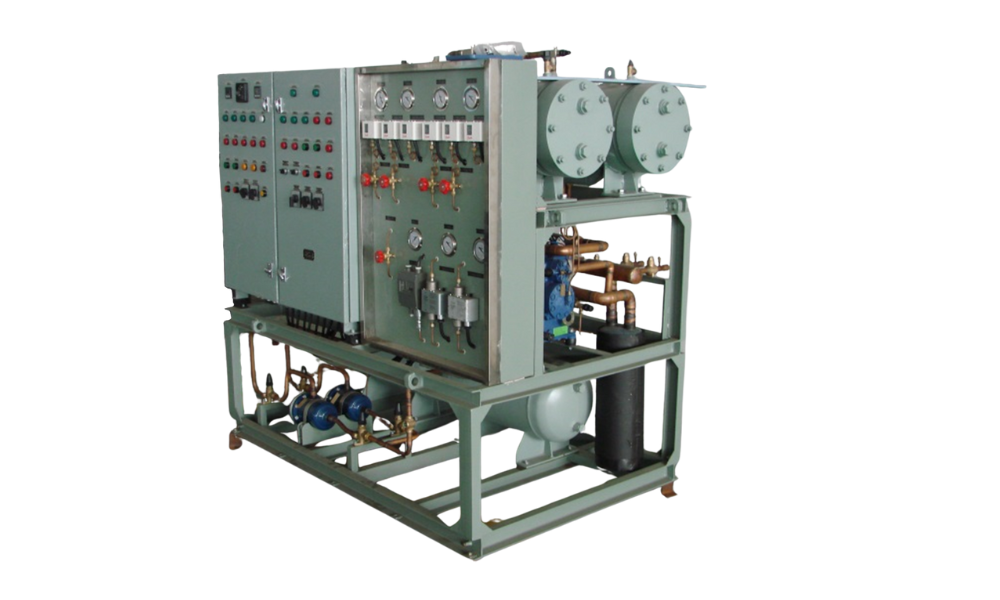
The CZLZ marine modular refrigeration unit serves as the core equipment for shipboard catering refrigeration systems and refrigeration systems aboard refrigerated vessels and supply ships. This unit integrates the compressor condensing unit, refrigeration system valves, instrumentation, and electrical control panels into a single assembly mounted on a common base. It provides automatic temperature control for storage compartments according to food preservation requirements, offering straightforward operation and convenient maintenance. It is widely applicable to various vessels and offshore oil platforms.
Marine-grade modular refrigeration units (container refrigeration
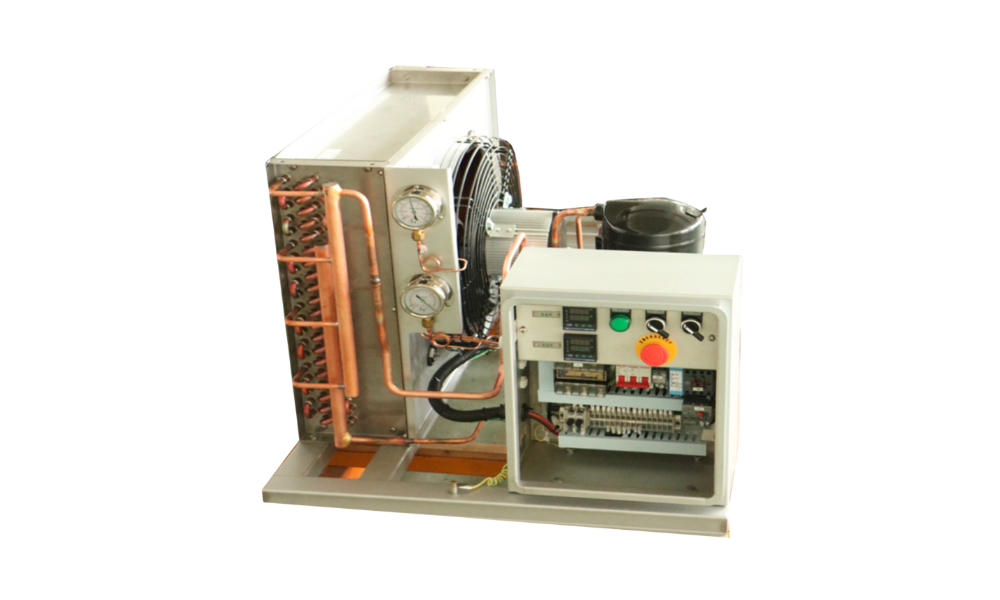
The CZLZ marine modular refrigeration unit serves as the core equipment for shipboard catering refrigeration systems and refrigeration systems on refrigerated vessels and supply ships. This unit integrates the compressor condensing unit, refrigeration system valves, instrumentation, and electrical control panels into a single assembly mounted on a common base. It provides automatic temperature control for storage compartments according to food preservation requirements, offering straightforward operation and convenient maintenance. It is widely applicable to various vessels and offshore oil platforms.
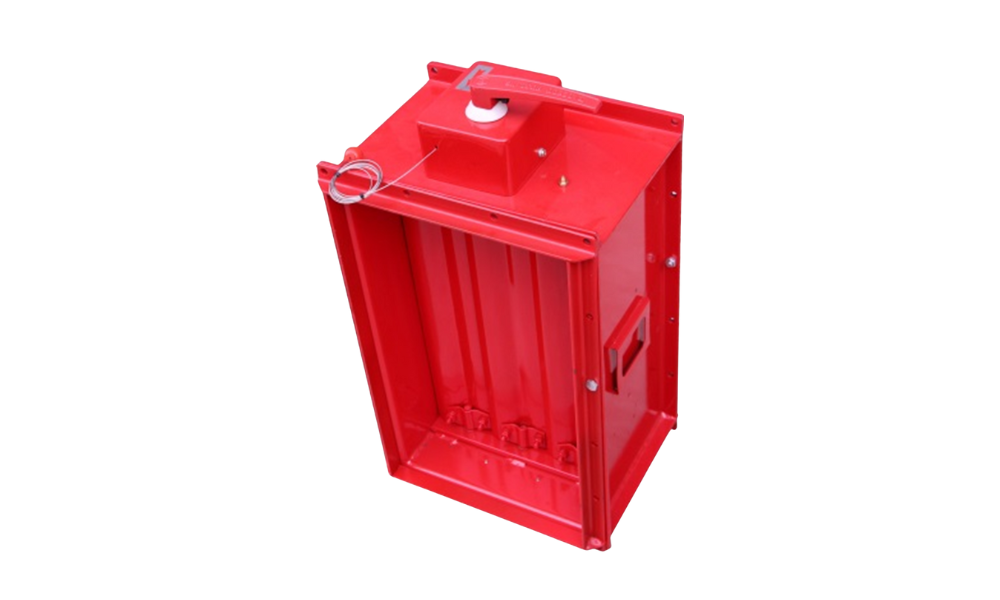
The CFH marine fire damper complies with the relevant requirements for ship structural fire protection stipulated in the International Convention for the Safety of Life at Sea (SOLAS) and subsequent amendments. It has passed fire resistance tests conducted by the Shanghai Far East Fire Testing Centre in accordance with the requirements of Appendix A II of Resolution A.754(18) of the International Maritime Organisation (IMO) concerning fire-resistant air dampers. These tests were performed in accordance with the fire resistance test procedures for compartmentalised fire resistance as outlined in Appendix A II of Resolution A.754(18). The damper has been certified by the China Classification Society (CCS) and the European Union (EU) (18) "Recommendations for Fire Test Procedures for Class 'A', 'B' and 'E' Divisions" Appendix A II. They have obtained type approval certificates from classification societies including China (CCS), European Union (EC), United Kingdom (LR), United States (ABS), France (BV), and Japan (NK).
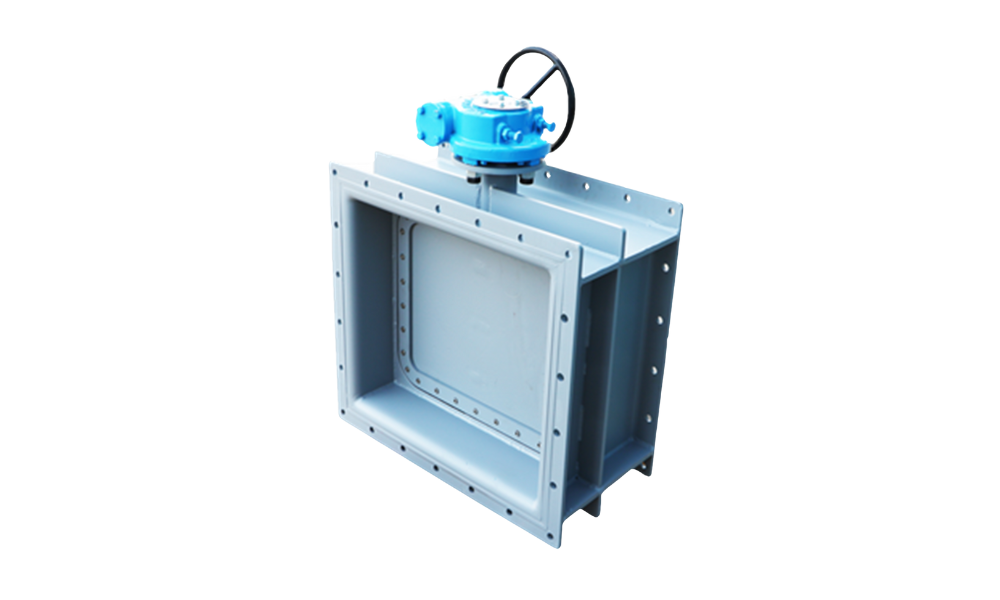
Watertight air dampers for ships are primarily employed in the ventilation systems of various vessels and offshore oil platforms, typically installed on ventilation ducts within watertight bulkheads below the waterline. Should a bulkhead breach occur, sealing air dampers must be closed to prevent water ingress propagating through ventilation ducts to adjacent compartments. This watertight barrier is indispensable for ensuring the safety of vessels and offshore oil platforms
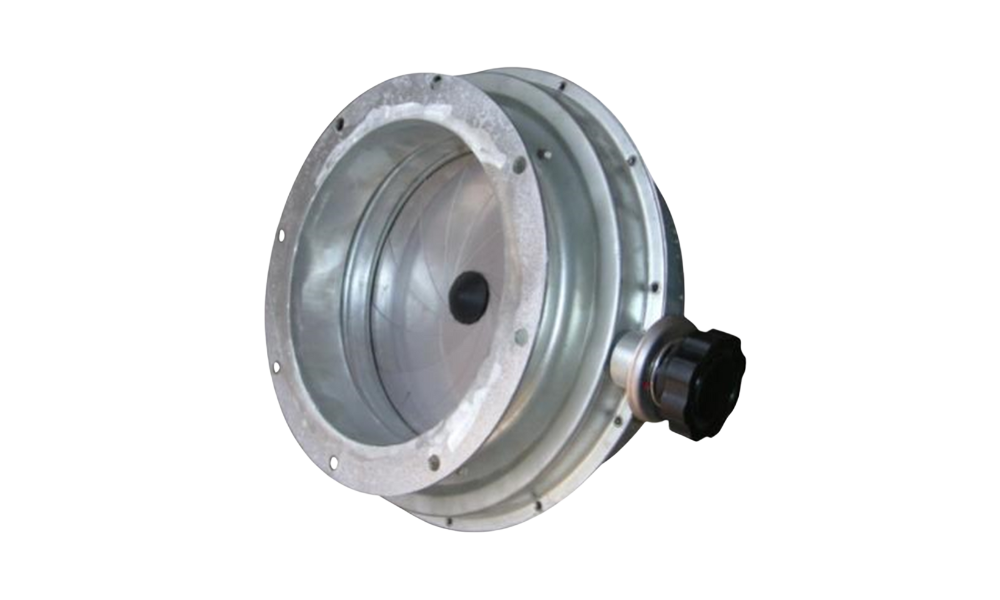
Marine diaphragm-type air dampers are suitable for use on various vessels, oil platforms, and ductwork within onshore ventilation and air conditioning systems, enabling stepless adjustment of airflow. Both ends can be connected to ductwork via flanges or directly fitted to spiral ducting. Compact in size and lightweight, they offer straightforward installation, flexible operation, and reliable performance.
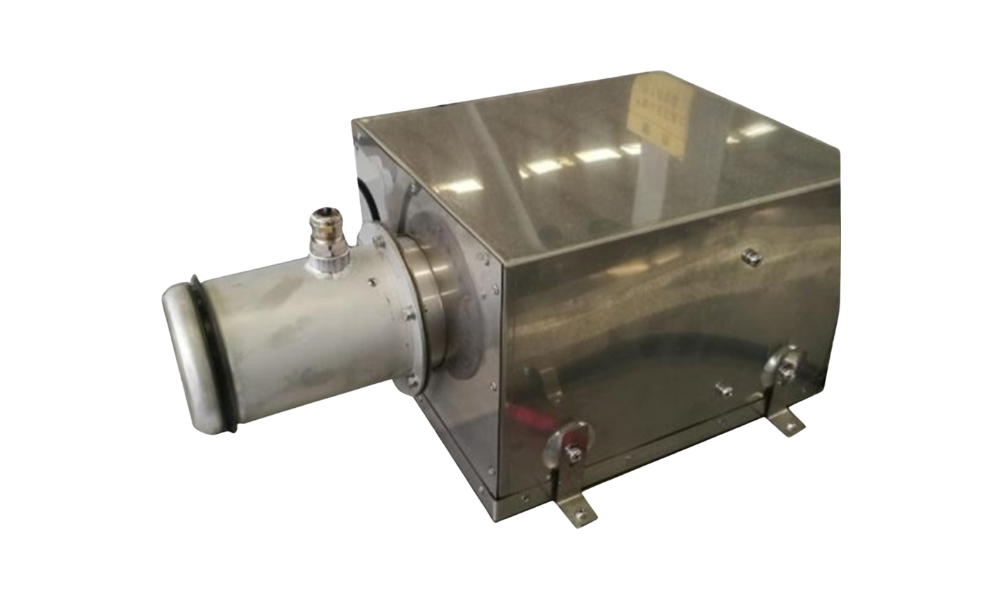
Low-noise ventilation units are suitable for various accommodation and bathroom ventilation systems. Odorous gases within cabins or bathrooms are drawn in by the ventilation unit, undergo noise reduction treatment, and are then pressurised before being delivered to the exhaust system for discharge overboard. These units provide fresh air exchange, pressure equalisation, and noise reduction functions.