


The Special Nature of the Operating Environment for Marine Air Conditioning System
2025-12-16 2
Marine air conditioning systems are indispensable environmental optimisation equipment aboard vessels. They not only fulfil the comfort requirements of crew and passengers but also provide suitable operating conditions for various electrical equipment and precision instruments on board. In principle, marine air conditioning systems are no different from land-based units; however, their operational environment and conditions present unique characteristics. The distinctions between marine and land-based air conditioning systems include:
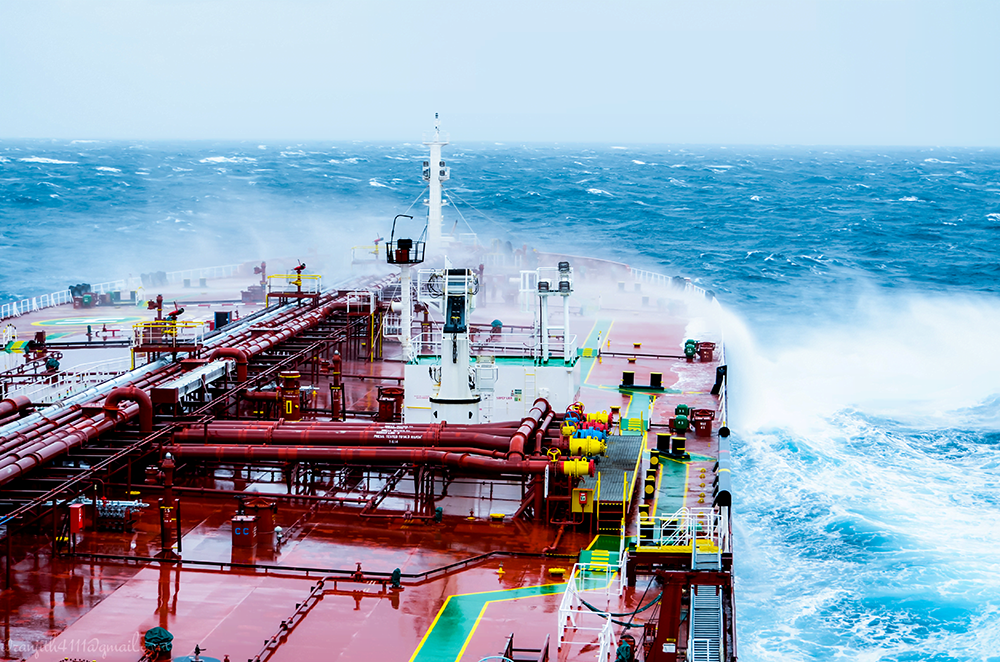
① The marine environment features high salinity and humidity, necessitating particular attention to corrosion and mould prevention in marine air conditioning systems;
② Marine air conditioning must accommodate the pitching and rolling of vessels during sea voyages;
③ Marine air conditioning must operate continuously at sea with limited maintenance access, necessitating emphasis on system serviceability;
④ A vessel's external climate conditions may vary significantly during a single voyage, causing fluctuating cooling demands. Consequently, the air conditioning system must possess robust regulation capabilities to ensure cabin comfort, meet equipment temperature and humidity requirements, and maximise energy efficiency onboard.
The selection and design of key marine air conditioning components must account for the unique operational environment. As the core of the refrigeration system, marine compressors operate under tilting and rolling conditions, where oil supply becomes particularly critical. Consequently, compressors employ deep oil sump designs to ensure adequate lubrication during shipboard inclination and rolling.
Marine air conditioning systems, categorised by their centralised and semi-centralised configurations, can be primarily classified into the following types based on their regulation methods: centralised single-duct systems, zone reheat single-duct systems, terminal recirculation single-duct systems, and dual-duct systems. When selecting a system configuration, factors such as load variations in the air-conditioned compartments requiring regulation, noise requirements, and spatial constraints of the ductwork system must be considered.
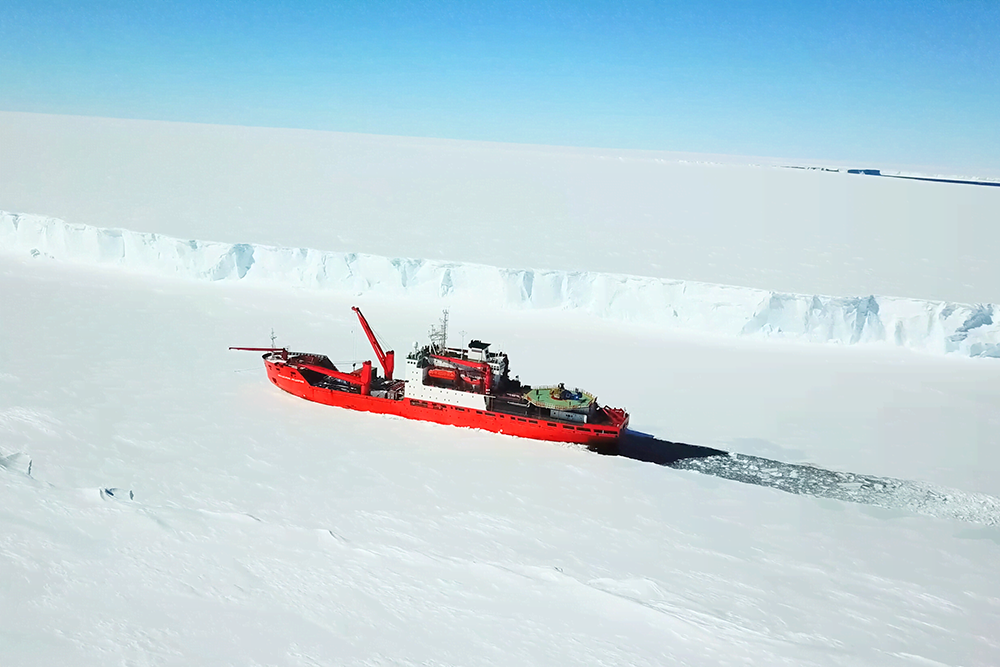
Additionally, numerous vessels with specialised requirements exist. For instance, offshore engineering vessels must account for regional climatic conditions and the unique operational environment for crew. Buoy-laying vessels undertaking rescue missions require air conditioning systems adapted to harsh environments. Luxury cruise liners demand higher standards of comfort from their air conditioning systems.